

New experiment proves grass clippings are a leading threat to Indian River Lagoon health

Lawns contributing to pollution in Indian River Lagoon, study finds
Grass clippings from residential lawns are worsening water quality in the Indian River Lagoon, researchers say, adding to issues like sewage spills and fish kills. A study by the Marine Conservation Association found that when grass enters the lagoon, nutrient levels spike within days, fueling algae blooms and preventing healthy seagrass growth.
BREVARD COUNTY, Fla. - Grass clippings are a major threat to the Indian River Lagoon.
Researchers with the Ocean Research and Conservation Association (ORCA), a marine conservation association, proved that when grass gets into the Indian River Lagoon, it releases nutrients that contribute to algae blooms and can hurt the seagrass in the water.
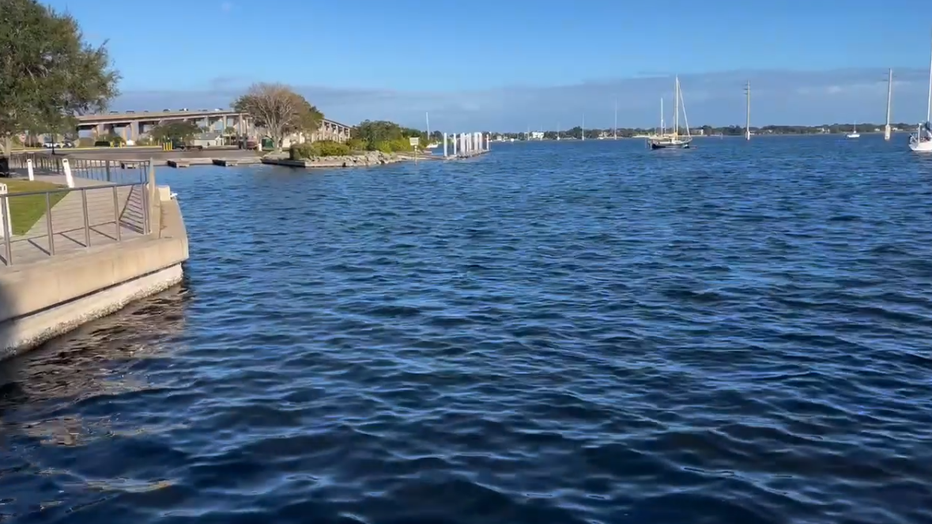
A study shows that grass clipping in the Indian River Lagoon can be harmful to the water and life in the water.
Here's what the Ocean Research and Conservation Association's research showed.
The experiment
What we know:
Researchers with ORCA set out in 2025 to prove how grass contributes to the lagoon's pollution.
ORCA started by putting lagoon water in large fish tanks and placing the tanks in the sun. In a matter of days, the tanks with clippings started to turn brown, and the water became polluted.
"Within three days, the nutrient level just skyrockets in the tank with the grass clippings," Edith Widder, ORCA's CEO, said.
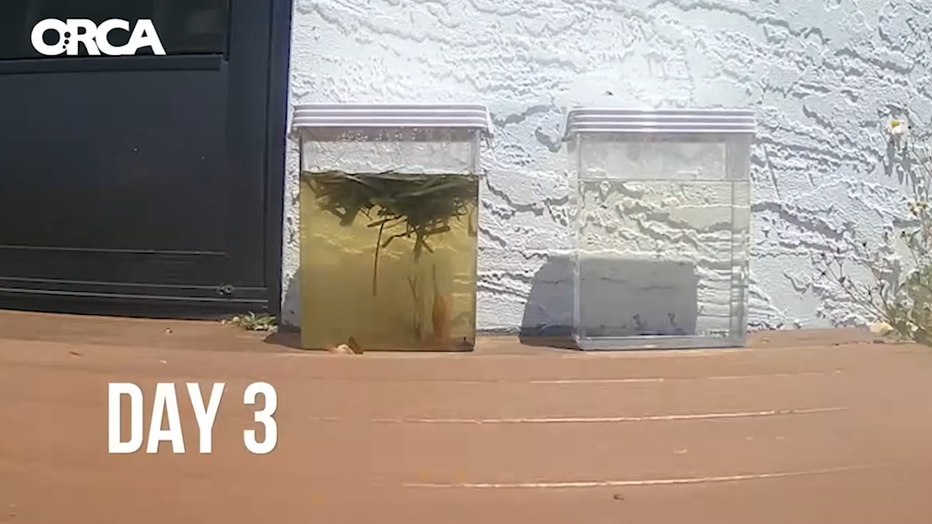
A study by ORCA showed the grass clipping in the Indian River Lagoon drastically negatively affected the water.
The pollution started quickly, and the toxins released from the grass contribute to algae blooms and also hinder sunlight from getting down to the bottom. That darkness prohibits seagrass from growing on the seabed.
"You can’t have a healthy sea grass, and it’s just overall a negative impact on the lagoon," said Widder.
In the tanks with no clippings, the water remained clear.
How Homeowners can help
What you can do:
Homeowners play a big part in stopping the pollution that starts from their yards.
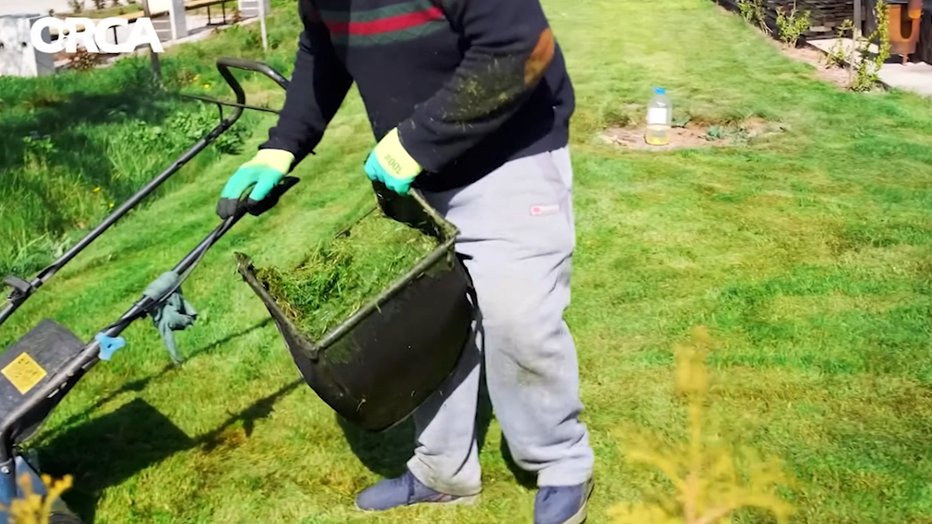
Residents should be careful not to place grass clippings into the Indian River Lagoon.
Here's four ways homeowners can help prevent pollution in the lagoon.
- Always bag grass clippings when you mow.
- Create a buffer zone if you live right on the water, so grass doesn’t grow right next to the sea wall.
- Plant Florida native landscaping.
- Consider removing grass altogether, so you don’t have to water your lawn or deal with fertilizer.
"As a mainstay, no, we don’t throw anything in the canal," Jeff Quinette, a waterfront homeowner, told FOX 35.
This isn’t just a waterfront problem. You should be aware of lawn clippings even if you live inland. They can blow into the street and will eventually end up in storm drains which is why it’s good to bag them and toss them.
"We went ahead and have taken back the grass from against the waterway and the seawall and put in native plants and plants that are better for being near the water," Fred Goldstein, who’s spent years trying to update his yard to be more lagoon friendly, said.
The Source: FOX 35 reporter Esther Bower saw photos of the pollution from grass on social media and reached out to the research organization for more information. Bower also spoke with ORCA on Jan. 5 and spoke with homeowners about the issue.