

Cape Canaveral study measures noise, vibrations from rocket launches
Cape Canaveral study measures noise, vibrations from rocket launches
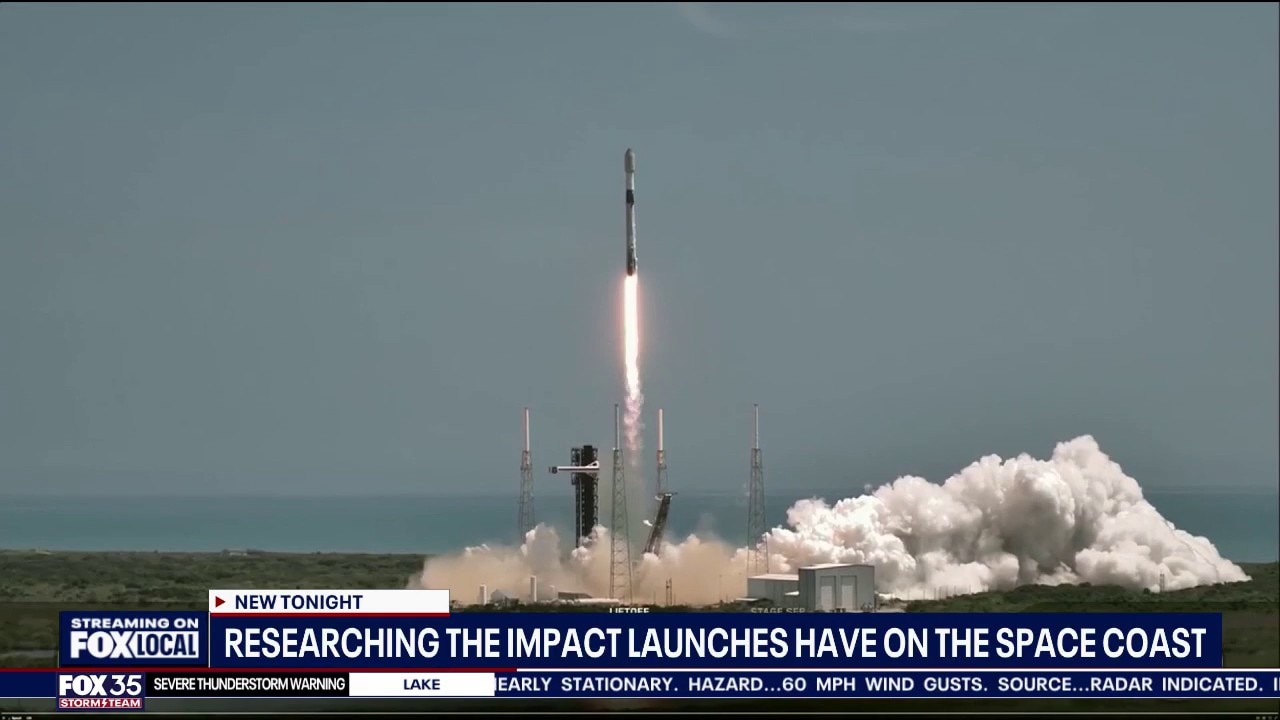
A new study commissioned by Cape Canaveral is providing data on the noise and vibrations residents experience during rocket launches as the number and size of vehicles lifting off from Florida’s Space Coast continue to grow.
CAPE CANAVERAL, Fla. - A new study commissioned by Cape Canaveral is providing data on the noise and vibrations residents experience during rocket launches as the number and size of vehicles lifting off from Florida’s Space Coast continue to grow.
Rollins College physics professor Whitney Coyle and her students monitored more than 30 launches over about eight months, from October through May.
‘What you feel is real’
What they're saying:
Sensors were placed on city buildings and residential properties to measure sound and vibrations from launches and landings.
"What you feel is real," Coyle said. "The rumble, the rattle is now measured. We have numbers for that."
City officials pursued the research after hearing concerns from residents about shaking homes and as they prepare for the eventual launch of SpaceX’s Starship from Florida.
"I kept reading about Texas, and it became really concerning," Cape Canaveral Mayor Pro Tem Kay Jackson said.
The study found much of the sound energy generated by launches occurs at frequencies too low for people to hear, Coyle said. Decibel measurements showed a New Glenn launch was quieter than a busy road, while a Falcon 9 launch registered at levels comparable to a conversation.
But Coyle said traditional noise measurements do not necessarily capture what residents feel inside their homes.
"If my windows are shaking every day, how does it affect my quality of life?" she said.
The research establishes a baseline that officials can use to compare future launches and environmental impact projections as larger rockets begin operating from the Space Coast.
"Bigger vehicles are coming, and hopefully this baseline will help you be informed and stay ahead of the changes," Coyle said.
What's next:
Cape Canaveral plans to make the research publicly available. The city is also developing an online portal where residents can document what they see, hear and feel on their properties during launches.
The Source: This story was written based on information shared by the City of Cape Canaveral, and Rollins College physics professor Whitney Coyle.