

NASA lacks rescue plan for astronauts stranded on moon, federal report says
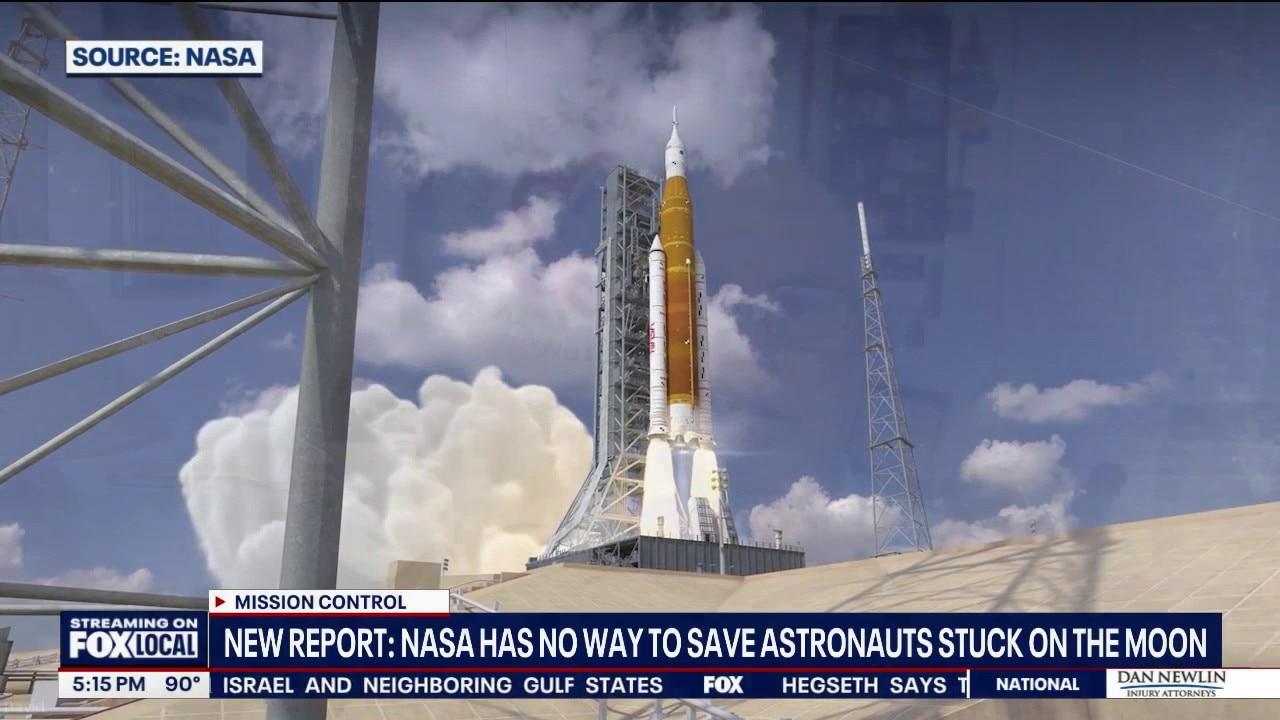
NASA lacks rescue plan for astronauts stranded on moon: Report
A new federal report says NASA currently has no way to rescue astronauts if they become stranded during future missions to the moon.
BREVARD COUNTY, Fla. - A new federal report says NASA currently has no way to rescue astronauts if they become stranded during future missions to the moon.
The report from NASA’s Office of Inspector General found that while the agency is working to prevent catastrophic failures, it does not yet have the capability to rescue astronauts in an emergency either en route to the moon or on the lunar surface.
Why you should care:
The findings come as NASA prepares for upcoming Artemis missions intended to return astronauts to the moon.
Investigators also noted ongoing delays with lunar lander development. Contractors including Blue Origin and SpaceX are behind schedule in building the human landing systems needed for the missions.
CLICK TO DOWNLOAD THE FOX LOCAL APP
NASA is evaluating proposals from both companies as it works toward a targeted 2028 lunar landing, though officials say it is still too early to determine the full technical and financial impact of those plans.
Despite the challenges, the report said NASA has managed mission costs effectively through fixed-price contracts with private companies.
The agency has already spent about $7 billion on human landing systems and is expected to spend nearly $18 billion in the coming years as development continues. You can read the full report by the Office of Inspector General here [PDF].
Report comes after decision to revamp Artemis mission
Big picture view:
NASA announced late last month that it is overhauling its Artemis moon exploration program to speed up missions and reduce risk, adding an extra practice flight before attempting a crewed lunar landing.
Artemis II, a lunar fly-around, is delayed until at least April due to rocket issues, and Artemis III will now focus on a 2027 docking test in Earth orbit instead of a lunar landing.
SIGN-UP FOR FOX 35'S BREAKING NEWS, DAILY NEWS NEWSLETTERS
NASA Administrator Jared Isaacman said the program aims for one or two crewed moon landings in 2028, following a more methodical schedule similar to the Apollo program of the 1960s and early 1970s.
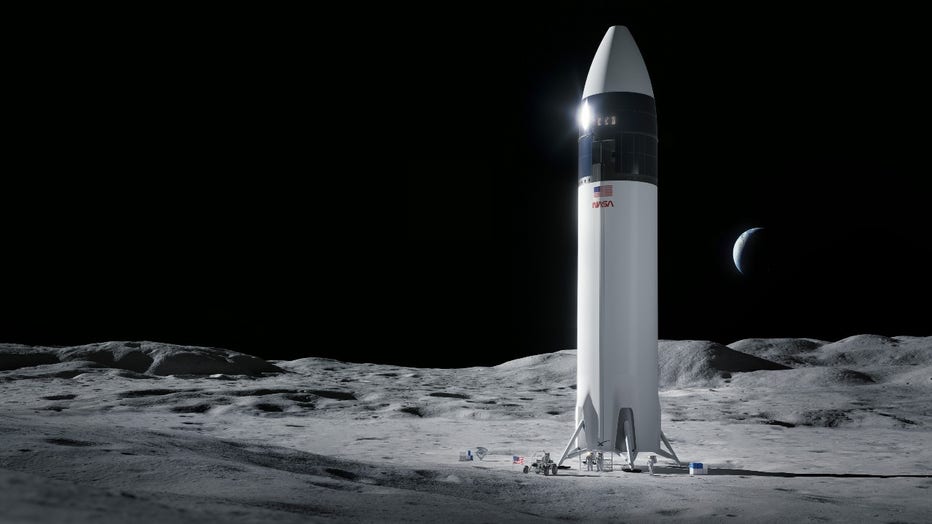
Illustration of SpaceX Starship human lander design that will carry NASA astronauts to the Moon's surface during the Artemis mission. Credits: SpaceX
Hydrogen leaks and helium flow problems have plagued the Space Launch System rockets, prompting Isaacman to push for standardized rockets and faster flight rates, ideally reducing the gap between missions to a year or less.
The plan is supported by private partners, including SpaceX and Blue Origin, and addresses safety concerns raised by NASA’s Aerospace Safety Advisory Panel, including how to rescue astronauts who might become stranded during a mission.
The Source: This story was written based on information shared by NASA’s Office of Inspector General.