

'Deleted' doesn’t mean destroyed: FBI recovers 'inaccessible' surveillance video from backend servers
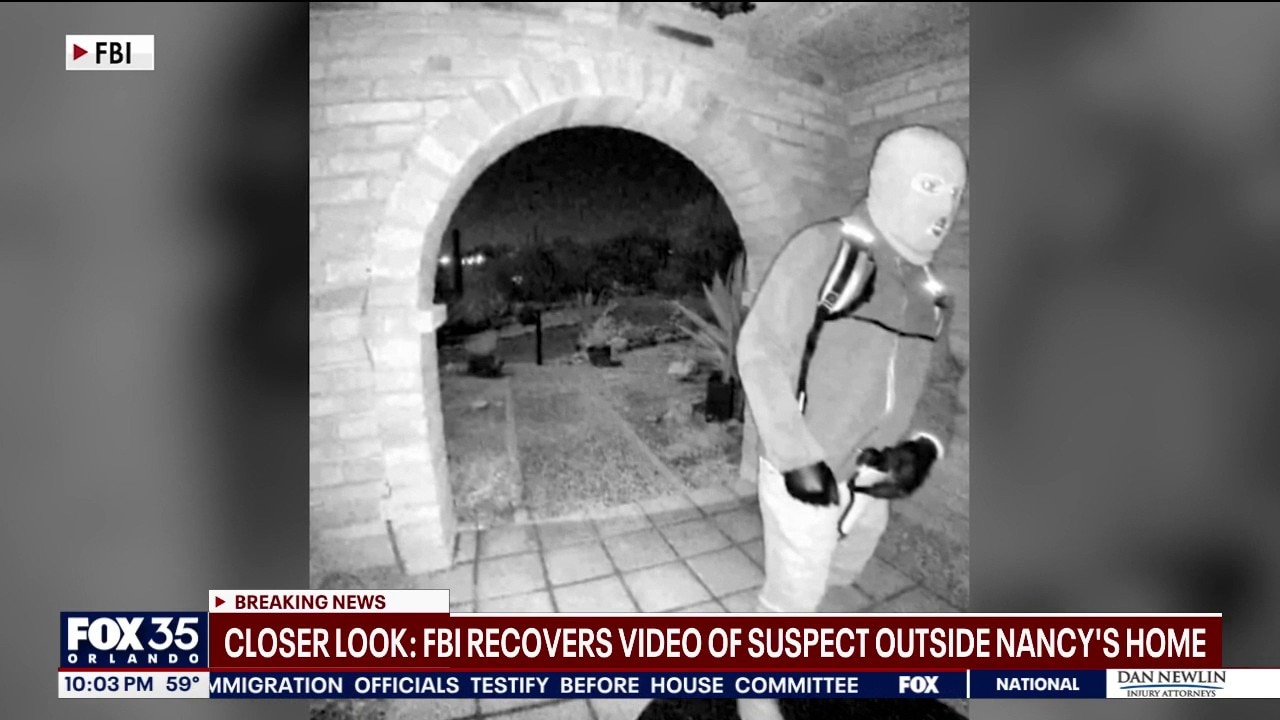
Person detained in search for Nancy Guthrie, as FBI releases new video
A person has been detained for questioning in the disappearance of 84-year-old Nancy Guthrie, authorities said, as newly recovered surveillance video shows a masked individual at her front door the morning she vanished.
ORLANDO, Fla. - Authorities detained an unidentified person of interest Tuesday night in the case of missing 84-year-old Nancy Guthrie, just hours after SWAT vehicles were seen leaving the Pima County Sheriff’s Department.
That person was apprehended hours after authorities released surveillance video taken at Guthrie's home that showed a possible suspect in her disappearance.
Dig deeper:
When a smart camera is plugged in, it enters a state of constant communication with the manufacturer’s server. This is the heartbeat — a small packet of data sent every few seconds to confirm the device is online.
CLICK TO DOWNLOAD THE FOX LOCAL APP
In the Nancy Guthrie case, the trail went cold because the camera lacked an active subscription. On the "frontend" (the user’s app), the screen was blank. However, the "backend" told a different story.
To ensure a camera can be "instantly" reactivated if a customer pays, or to power features like "person detection" AI, many cameras upload tiny fragments of video or snapshots to a temporary cache.
SIGN-UP FOR FOX 35'S BREAKING NEWS, DAILY NEWS NEWSLETTERS
When the masked subject approached the door, the camera triggered. Even though it didn't have a "home" in the user's cloud storage, the data was still processed by the provider's server. Investigators utilized forensic tools to dive into this residual data lake, pulling frames that the system had labeled as "inaccessible" but had not yet physically overwritten.
What they're saying:
Robert Siciliano, CEO of Protect Now LLC, notes that this "whispering" between the camera and the server is a double-edged sword for privacy and security.
"It’s letting the company know that the camera’s good... and letting the user know at any given point in time that they can reactivate the camera should they want to. That data is generally accessible to only those authorized to access it — most companies have some sort of data storage policy."
Siciliano emphasizes that this data exists in a legal gray area.
The Source: This story was written based on information shared by the Pima County Sheriff’s Department in Arizona, and Robert Siciliano, CEO of Protect Now LLC.